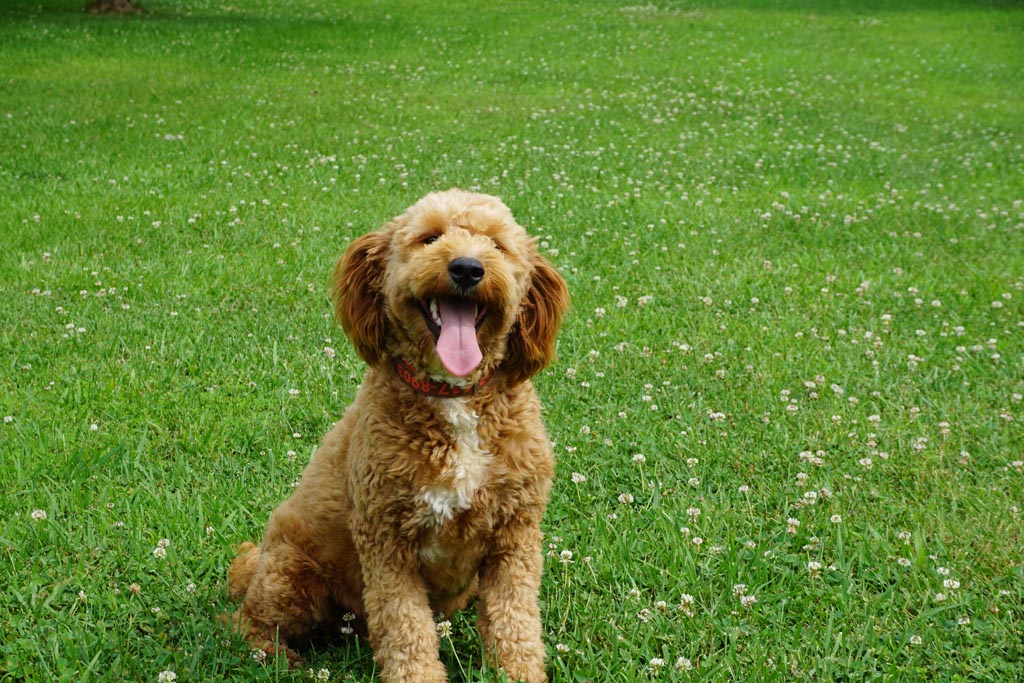
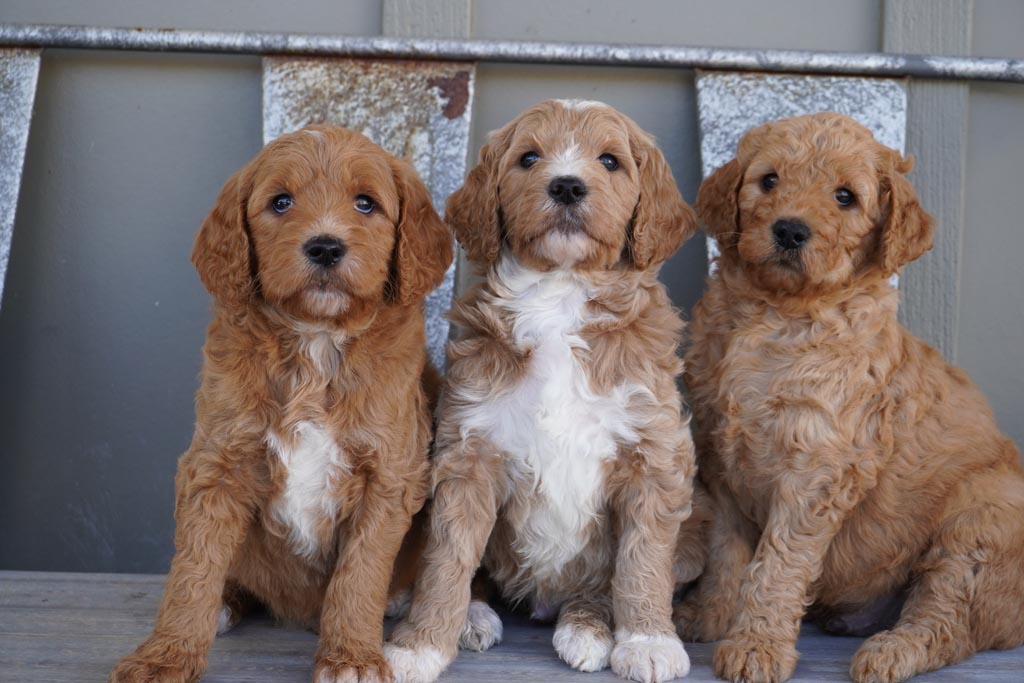
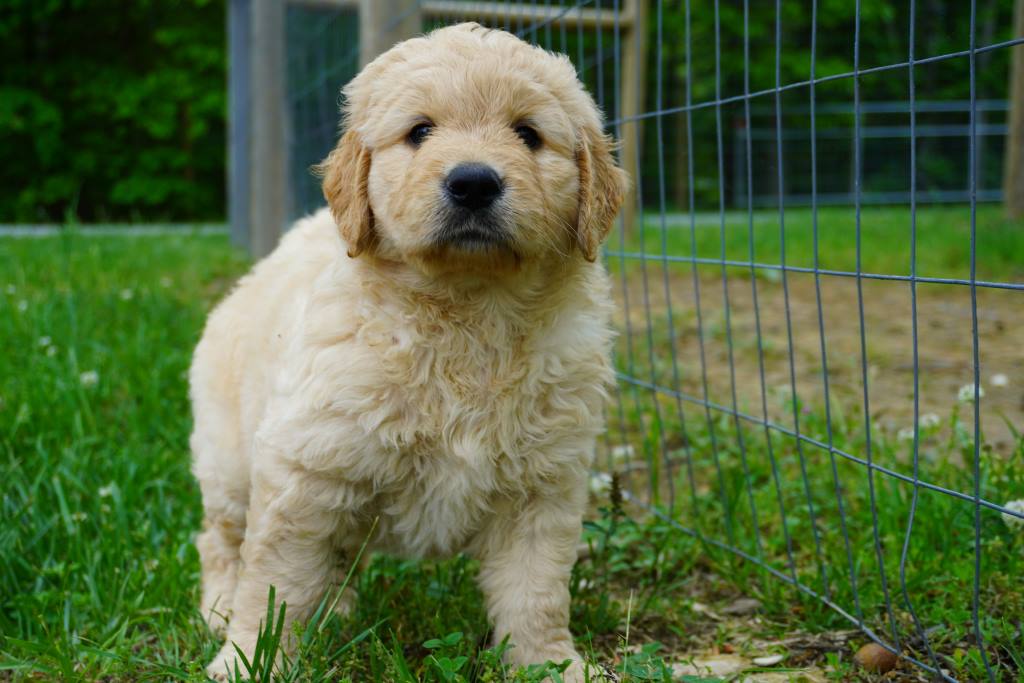
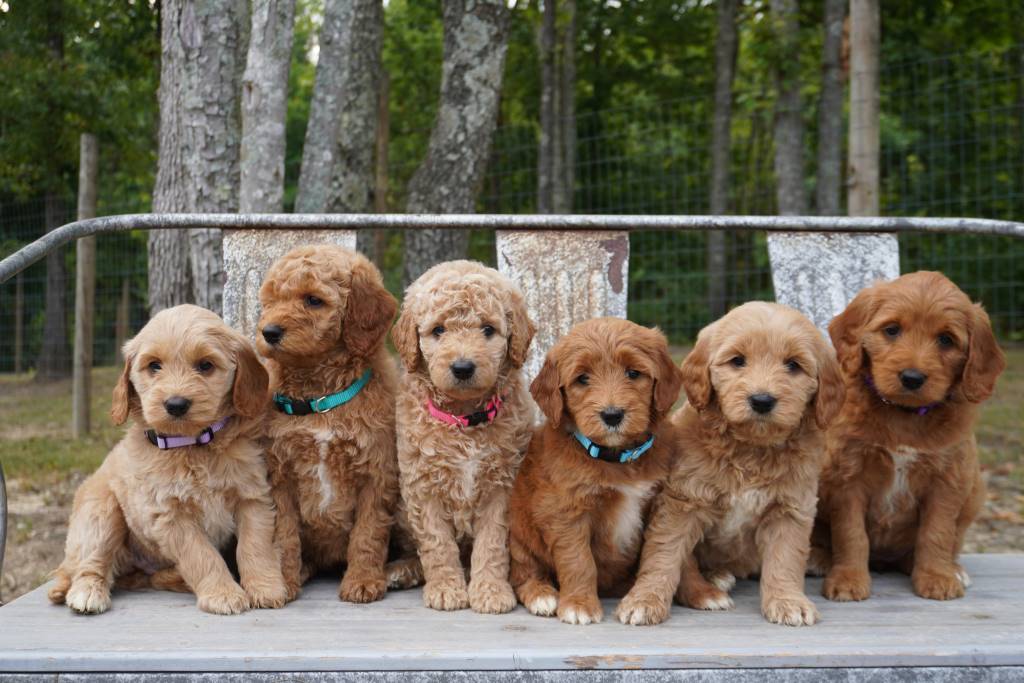
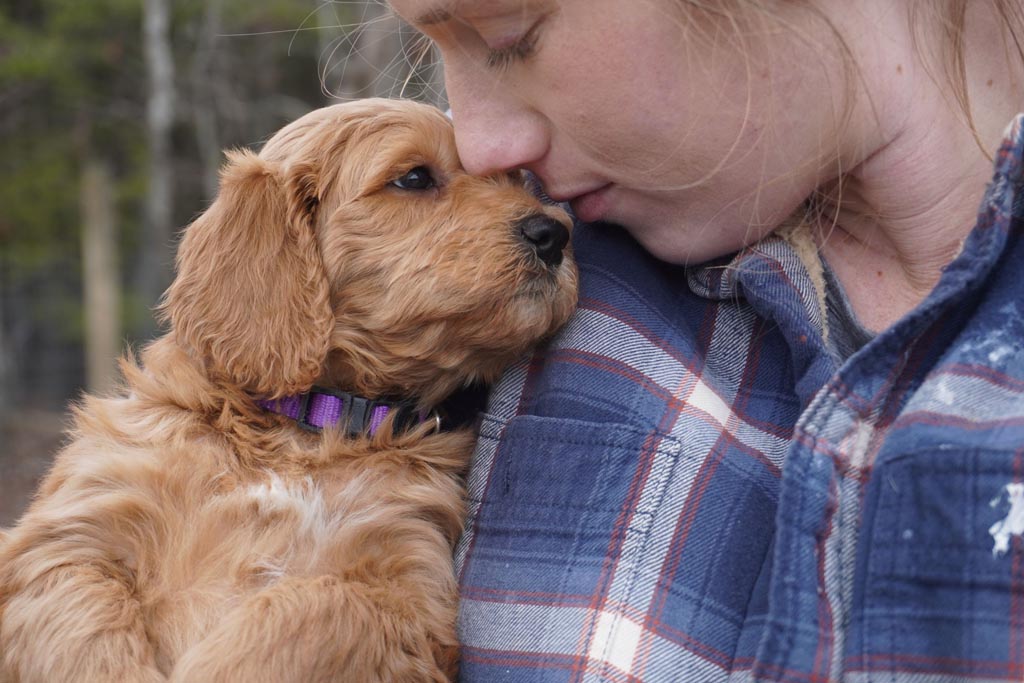
When people ask me about the biggest mistake new puppy owners make, my answer surprises them. It’s not skipping training or feeding the wrong food (although these are important). It’s leaving a puppy alone in a crate for too long, thinking it’s the safe, responsible, or convenient choice. Let’s talk about why your doodle puppy needs you more than a crate.
I know that crates feel tidy and secure. Or, you have a busy workday and can’t be present with them all day. But puppies, especially doodles, are wired for connection. In this post, I want to share why bonding matters so much, what the research says about time alone, and how you can build a happy, confident dog without shutting them away all day.
Doodles Are Built to Be With You
Goldendoodles, Irishdoodles, and Bernedoodles come from parent breeds that were bred to work closely with people. Golden Retrievers, Poodles, Irish Setters, and Bernese Mountain dogs all share one thing: they thrive on human company.
That heritage matters. These dogs aren’t the type to happily nap alone for eight hours. They want to be near you, part of the action, following you from room to room. It’s not neediness. It’s who they are.
When you bring a doodle home, you’re not just getting a pet. You’re getting a companion who genuinely wants a relationship with you. Ignore that, and you’ll both be miserable.
Takeaway: Doodles bond deeply. That closeness is a feature, not a flaw, and it shapes everything about how you should raise them.
The Window That Shapes Their Whole Life
PLEASE consider this. The American Veterinary Medical Association points to a critical socialization period between 3 and 14 weeks of age. During this window, puppies are most open to learning about people, places, other animals, and new experiences.
The AVMA explains that a broad range of positive experiences during this time can help prevent fearful, reactive, or aggressive behavior later on. In other words, what happens in these early weeks echoes for years.
Now picture a puppy spending most of that precious window alone in a crate. They’re missing the very experiences that build confidence. They’re not learning that the world is safe and interesting. They’re learning that being alone is normal, and often, that it’s scary.
What good socialization looks like
The AVMA recommends a few simple things:
- Expose your puppy gradually to new people, sounds, and environments.
- Reward calm, curious behavior with praise, play, and treats.
- Let them retreat if they seem overwhelmed. Move at their pace
None of that happens in a crate. It happens with you, out in the world, together.
The Research on Being Left Alone
This next part is SO Important! According to the RSPCA, research suggests that 8 out of 10 dogs (not just doodles) struggle to cope when left alone. Even more striking, about half of them show no obvious signs. So plenty of owners have no idea their dog is suffering.
Think about that. Your dog could be quietly distressed every single day, and you’d never know unless you set up a camera. The RSPCA actually recommends filming your dog while you’re out, just to check for hidden signs like trembling, pacing, or whining.
The organization advises leaving no adult dog alone for more than four hours, and for puppies, far, far, less. Puppies simply can’t handle it, physically or emotionally. It truly breaks my heart to think some dogs/puppies are left alone for 8+ hours every single day.
Why “Crying It Out” Does Real Damage
You’ve probably heard the advice to just let a puppy “cry it out.” Leave them, ignore the whining, and they’ll learn to settle. Please don’t.
The RSPCA is blunt about this: the technique is neurologically damaging. Here’s what actually happens:
- Puppies left to cry it out learn that being alone is terrifying, not that it’s fine.
- Each time your dog gets highly distressed, stress hormones flood their body. Those hormones can take days to reduce.
- Some dogs eventually go quiet, but not because they feel better. They’ve simply learned that calling for you doesn’t work, so they suffer in silence.
That silence gets mistaken for success. It’s actually a puppy giving up. And the long-term effects on their body and mental state are real.
Signs Your Puppy Is Struggling
Because half of anxious dogs hide it, it helps to know what to watch for. The RSPCA lists these common signs of separation-related behavior:
- Chewing or destroying furniture, often near doors and windows
- Howling, barking, or whining
- Toileting indoors despite being house-trained
- Anxious behavior before you even leave
The easy-to-miss signs include:
- Trembling or panting
- Excessive drooling
- Paw licking or tail biting
- Pacing or circling
- Refusing food or treats while you’re gone
If your dog won’t touch a favorite treat when you leave, that’s a red flag. A relaxed dog eats. A worried one can’t.
How to Raise a Confident, Well-Bonded Doodle
Here’s the good news. Separation anxiety is largely preventable, and building a strong bond is genuinely enjoyable. This is the fun part of having a dog.
Teach alone time slowly and kindly
The RSPCA’s approach is gentle and gradual. You build up alone time in tiny steps so it’s never frightening:
- Ask your puppy to settle in their bed while you stay nearby. Reward calm.
- Move a short distance away, then return and reward.
- Slowly increase the distance and time, always staying below the point of stress.
- Practice stepping out the door, then closing it, then staying out a little longer.
- Vary the length of your absences so they stay relaxed.
If your puppy gets anxious at any stage, just go back a step. There’s no rush.
Make alone time pleasant
Give a special toy or a stuffed food toy only when you leave. A frozen Kong with a bit of peanut butter works wonders. Take treats out of their daily food so you’re not overfeeding.
Exercise and a bathroom break before you go help enormously. A tired, empty puppy settles far more easily than a restless one.
Don’t punish, ever
If you come home to a mess, resist the urge to scold. The RSPCA is clear that punishment only makes anxiety worse. Your dog can’t connect your anger to something they did hours ago. They just learn to dread your return. Let them outside, clean up quietly, and move on.
Get help when you need it
If you must be away longer than four hours, arrange for a trusted local dog daycare, dog sitter, dog walker, or friend to break up the day. And if anxiety persists, talk to your vet, who may refer you to a clinical animal behaviorist.
Frequently Asked Questions
Is it ever okay to use a crate?
Yes, as a cozy, positive space your dog chooses to rest in, with the door open much of the time. The problem isn’t the crate itself. It’s long hours of confinement and isolation.How long can I leave my doodle puppy alone?
Very little at first. The RSPCA advises a maximum of four hours for adult dogs and far less for puppies. Build up slowly and watch for signs of stress.My dog seems fine when I leave. Am I in the clear?
Maybe, but check. Half of anxious dogs show no obvious signs. A quick video while you’re out will tell you the truth.The Bottom Line
Your doodle doesn’t need a perfect setup. They need you. The bond you build in those early weeks, and the way you handle time apart, shapes the dog they become for life.
So here’s my one takeaway: treat bonding and gentle socialization as the real work of puppyhood, not an afterthought. Please make changes today! You can start by practicing short, calm departures and filling your puppy’s day with connection instead of confinement.
Sources: American Veterinary Medical Association (avma.org/resources-tools/animal-health-and-welfare/socialization-dogs-and-cats) and the RSPCA (rspca.org.uk).
Check out more Doodle insights in our blog library.
As always feel free to explore our website at morningglorydoodles.com to see more blog posts, pictures of cute puppies, current litters looking for their forever homes and upcoming litters!